The Complete Guide to Caring for Your Leather Goods: How to Keep Your Wallets, Belts, and Accessories Looking New for Years
By Cozy Leather
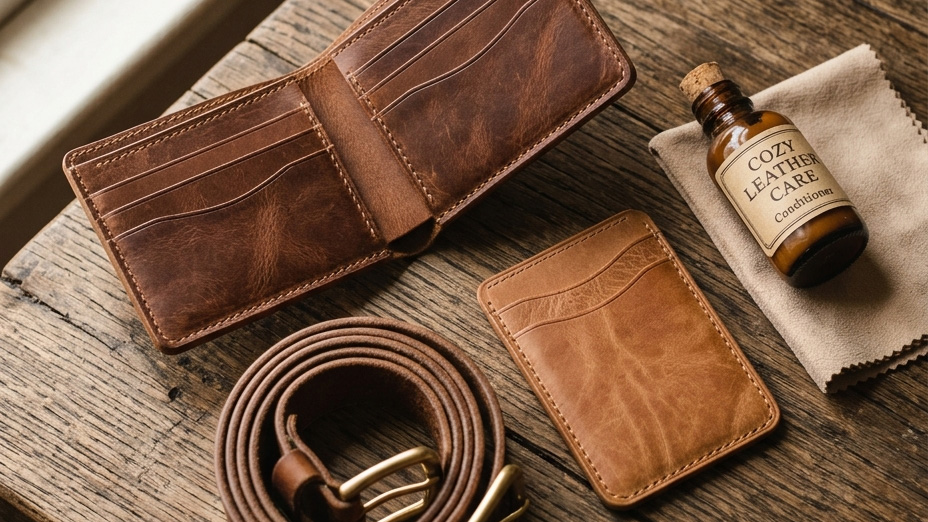
[Image placeholder — A neatly arranged collection of leather wallets, belts, and card holders on a wooden table. Image: 4:5 aspect ratio — flat lay of leather wallet, belt, and card holder on a wooden surface]
There’s a reason people fall in love with genuine leather. It’s not just the smell, or the way it looks in a photograph, or the satisfying weight of it in your hand. It’s the promise leather makes to you the moment you buy it: take care of me, and I’ll only get better with time. Unlike synthetic materials that crack, peel, and get thrown away after a year or two, real leather is designed to age. It develops a patina — that soft, slightly darkened sheen that comes from years of handling — and it becomes more “yours” the longer you use it.
But that promise only holds if you actually take care of it. Leather is, after all, skin. And like skin, it needs moisture, protection from the elements, and occasional attention to stay supple and strong. Left alone in a hot, humid country like Bangladesh — where the air itself seems to carry moisture nine months of the year — leather can dry out, crack, grow mold, or lose its color far faster than it should.
At Cozy Leather, we’ve spent years working directly with genuine leather — sourcing it, testing it, and turning it into the wallets, belts, and card holders our customers carry every day. Along the way, we’ve learned (sometimes the hard way) what leather actually needs to thrive. This guide brings all of that together in one place: everything you need to know to keep your leather goods looking sharp, smelling great, and lasting for years — whether it’s a wallet you bought yesterday or one you’ve been carrying since university.
Let’s get into it.
Table of Contents
- Why Leather Care Actually Matters
- Understanding Your Leather: Know What You’re Working With
- The Enemies of Leather: What Damages It and Why
- Daily Habits That Protect Your Leather Without Any Extra Work
- How to Clean Leather Goods the Right Way
- Conditioning: The Single Most Important Step Most People Skip
- Waterproofing and Protecting Against Bangladesh’s Climate
- Proper Storage: Where and How to Keep Your Leather
- Wallet-Specific Care
- Belt-Specific Care
- Card Holder and Small Accessory Care
- Dealing With Common Problems: Stains, Odors, Mold, and Color Fading
- Seasonal Leather Care Calendar for Bangladesh
- Mistakes to Avoid
- When to Call in a Professional
- Final Thoughts
1. Why Leather Care Actually Matters
It’s easy to treat a wallet or a belt as a “set it and forget it” purchase. You buy it, you use it every day, and you don’t think about it again until it starts falling apart. But leather is a natural, organic material — it was once living tissue, and it behaves accordingly. It has pores. It absorbs and releases moisture. It reacts to heat, light, friction, and chemicals in ways that plastic and synthetic leather simply don’t.
When you neglect leather care, a few things start happening, usually slowly enough that you don’t notice until the damage is done:
- The natural oils in the leather evaporate, and the material begins to stiffen.
- Without oils, the leather fibers become brittle, and cracks start to form — especially along fold lines, like the crease in a bifold wallet or the buckle holes in a belt.
- Dirt, sweat, and body oils build up in the pores, dulling the surface and, over time, breaking down the leather’s structure from the inside.
- In humid conditions, moisture gets trapped and mold or mildew can develop, especially on the inside of wallets or in stitching.
- UV exposure fades color unevenly, leaving some areas darker than others.
None of this is inevitable. With a small amount of regular care — we’re talking minutes per month, not hours per week — you can avoid almost all of it. A well-maintained leather wallet or belt doesn’t just last longer; it actually looks better with age. That’s the whole appeal of leather over synthetic alternatives. But it only works if you meet it halfway.
There’s also a financial angle here that’s worth being honest about. A quality leather wallet or belt costs more upfront than a synthetic one. But if it lasts eight or ten years instead of one or two, the cost per year of use is actually lower — and you get a product that looks better the longer you own it, instead of worse. Leather care isn’t an extra chore. It’s what makes the investment worth it in the first place.
[Image placeholder — Close-up of hands applying leather conditioner to a wallet with a soft cloth. Image: 4:5 aspect ratio — close-up shot of conditioning a leather wallet]
2. Understanding Your Leather: Know What You’re Working With
Before you can care for leather properly, you need to know what kind of leather you actually have. Not all leather is created equal, and different types respond differently to cleaning, conditioning, and general handling. Using the wrong product on the wrong type of leather can do more harm than good.
Full-Grain Leather
This is the highest quality leather available. It’s made from the top layer of the hide, including the natural grain, and it hasn’t been sanded, buffed, or corrected in any way. Full-grain leather shows the natural markings, slight imperfections, and texture of the original animal hide — and that’s exactly what makes it desirable. It’s the most durable type of leather and develops the richest, most attractive patina over time. Most premium leather wallets and belts, including many of the products we make at Cozy Leather, use full-grain leather for this reason.
Full-grain leather needs conditioning more than any other type, because it’s the most “alive” — it absorbs and loses moisture more readily, and it rewards regular care with a beautiful aging process.
Top-Grain Leather
This is the second-highest quality. It’s also taken from the top layer of the hide, but the surface has been sanded and refinished to remove imperfections, then often given a coating for a more uniform, polished look. Top-grain leather is more resistant to stains and easier to clean than full-grain, but it won’t develop quite the same rich patina, and it’s slightly less durable over the very long term.
Genuine Leather
Despite the name suggesting quality, “genuine leather” is actually a lower grade. It’s made from the leftover layers of the hide after the top layers have been split away for other products. It’s usually coated with a finish to make it look and feel more polished, but it’s more prone to cracking and doesn’t age as gracefully. If you own genuine leather goods, extra care with conditioning is important since the material has less structural integrity to begin with.
Bonded Leather
This is the lowest grade — actually a mix of leather scraps and fibers bonded together with adhesives and a synthetic coating. It’s not real leather in any meaningful sense, and it will not respond well to conditioning products designed for genuine leather. If you’re not sure what you own, a simple check is to look at the underside or the inside of the product: real leather (full-grain, top-grain, or genuine) will typically show a suede-like, fibrous texture, while bonded leather often has a more uniform, plastic-like backing.
Why This Matters for Care
If you’re not sure what kind of leather you have, it’s always safer to test any cleaning or conditioning product on a small, hidden area first — the inside of a wallet fold, or the underside of a belt, for example. Wait a few hours and check for any discoloration or texture change before applying it more broadly.
At Cozy Leather, we primarily work with full-grain and top-grain leather, so most of this guide will focus on caring for those two types — but we’ll flag anything that applies differently to lower grades along the way.
3. The Enemies of Leather: What Damages It and Why
Understanding what actually harms leather makes it much easier to prevent damage in the first place. Here are the main culprits, especially relevant to a hot, humid climate like Bangladesh’s.
Excess moisture and humidity. Leather is porous, and it absorbs moisture from the air. In small amounts, this is fine — leather even needs some moisture to stay flexible. But in a climate where humidity regularly sits above 70-80%, especially during monsoon season, leather can absorb more moisture than it can handle. This creates the perfect environment for mold and mildew, particularly in enclosed spaces like a back pocket, a bag, or a drawer.
Direct sunlight and heat. UV rays break down the oils in leather and fade its color, sometimes unevenly if part of the item is regularly exposed and part isn’t (think of a wallet that sits on a car dashboard, half in shadow). Heat also accelerates the evaporation of the natural oils that keep leather supple.
Sweat and body oils. If you carry a wallet in your back pocket, it’s in near-constant contact with your body, absorbing sweat and oils throughout the day. Over time, this changes the leather’s chemistry, can cause discoloration, and — in humid weather — creates a damp environment perfect for bacterial growth and odor.
Dust and dirt. Fine particles settle into the grain and pores of leather. Left there, they act almost like sandpaper every time the item flexes or rubs against something, slowly wearing down the surface.
Water (the wrong kind of moisture). There’s a difference between the ambient humidity leather can tolerate and direct water exposure — a sudden downpour, a spilled drink, a wet bag. Water that’s absorbed too quickly, especially followed by fast drying (like sitting near a fan or in direct sun), causes leather to stiffen, crack, and sometimes change color permanently.
Harsh chemicals. Alcohol-based cleaners, most household surface cleaners, and some hand sanitizers can strip the natural oils and finish right off leather, leaving it dry and discolored. This is one of the most common — and most avoidable — causes of damage we see.
Friction and overstuffing. Cramming too many cards into a wallet, or overloading a bag, stresses the stitching and stretches the leather beyond its natural give. This is especially damaging at fold lines and seams.
Once you know what you’re up against, the care routine that follows will make a lot more sense — every step exists specifically to counter one or more of these threats.
[Image placeholder — A leather wallet placed in direct sunlight next to a humidity gauge showing high humidity, illustrating climate risks. Image: 4:5 aspect ratio — conceptual shot showing leather exposed to sun and humidity]
4. Daily Habits That Protect Your Leather Without Any Extra Work
Good leather care doesn’t have to mean a strict weekly ritual. In fact, most of what protects your leather day-to-day is really just a matter of habit — small choices that cost you nothing but add up over months and years.
Carry your wallet in your front pocket, not your back pocket. This is probably the single most impactful habit you can adopt. A wallet in your back pocket gets sat on repeatedly, which bends it unnaturally, exposes it to sweat, and wears down the corners and edges far faster than front-pocket carry. If front-pocket carry isn’t practical for you, at minimum, take your wallet out before sitting for long periods — in a car, at your desk, on a long commute.
Don’t overstuff. Every wallet has a natural capacity. Cramming in receipts, extra cards, and cash you don’t need stretches the leather, strains the stitching, and eventually causes the wallet to lose its shape permanently. Do a monthly clean-out: pull out expired cards, old receipts, and anything you don’t actually need to carry.
Let it breathe. After a long day, especially in humid weather, take your wallet out of your pocket and let it sit somewhere open and dry overnight rather than leaving it in a closed bag or drawer while it’s still slightly damp from body heat and humidity.
Avoid setting it down on wet or dirty surfaces. A quick habit shift — checking a table or countertop before placing your wallet or belt down — prevents a huge share of accidental staining.
Rotate if you can. If you own more than one wallet or belt, alternating between them gives each one time to rest and recover between uses, which extends the life of both.
Handle buckles and closures gently. For belts especially, forcing a buckle or fastening it too tightly at the same hole every time creates stress points that wear out faster than the rest of the material.
None of these habits require buying anything or setting aside special time. They’re just small shifts in how you use what you already own — and they do more to extend the life of your leather than any product ever will.
5. How to Clean Leather Goods the Right Way
Cleaning leather is not the same as cleaning most other surfaces in your life, and treating it the same way — with a wet wipe, a household cleaner, or a scrub — is one of the fastest ways to damage it. Here’s a proper, safe cleaning process.
What You’ll Need
- A soft, lint-free cloth (microfiber works well)
- A soft-bristled brush (an old, clean toothbrush works fine for small items like wallets and card holders)
- Distilled or clean water
- A leather-specific cleaner (avoid anything with alcohol, ammonia, or strong detergents)
- A dry towel
Step-by-Step Cleaning Process
Step 1: Dust it off first. Before any liquid touches the leather, use the soft brush to gently remove any surface dust, crumbs, or loose dirt, paying attention to seams, stitching, and any embossed logos or textures where dust tends to collect.
Step 2: Dampen, don’t soak, your cloth. Lightly dampen your cloth with clean water — it should feel barely moist, not wet. If you’re using a leather cleaner, apply a small amount to the cloth rather than directly onto the leather.
Step 3: Clean in small, gentle circular motions. Work in small sections, using light pressure. Never scrub hard or use a rough motion, especially on full-grain leather, which can scuff and mark under pressure.
Step 4: Wipe away residue with a dry section of the cloth. After cleaning a section, immediately follow up with a dry part of the cloth to lift away any moisture or cleaner residue before it has a chance to sit and soak in.
Step 5: Let it air dry naturally. This is critical: never use a hairdryer, place the item near a fan, in direct sunlight, or near any heat source to speed up drying. Leather that dries too quickly loses moisture unevenly and becomes prone to cracking. Let it dry at room temperature, out of direct light, for several hours.
Step 6: Condition after cleaning. Cleaning removes not just dirt but also some of the leather’s natural oils. Always follow a cleaning session with conditioning (covered in detail in the next section) once the item is fully dry.
How Often Should You Clean?
For everyday items like wallets and belts, a light dusting and wipe-down every couple of weeks is plenty, with a more thorough clean (following the full process above) once every one to two months, or whenever you notice visible dirt or a spill. Over-cleaning is just as bad as under-cleaning — it strips the leather’s natural finish and oils faster than they can replenish.
What to Avoid
- Baby wipes and household wet wipes — most contain alcohol or fragrance chemicals that dry out leather.
- Dish soap or laundry detergent — far too harsh, strips natural oils and can discolor the surface.
- Direct water application — never pour or spray water directly onto leather; always apply moisture via a damp cloth.
- Magic erasers or abrasive sponges — these are essentially very fine sandpaper and will damage the grain.
[Image placeholder — Soft cloth and small brush laid next to a leather wallet being cleaned. Image: 4:5 aspect ratio — cleaning kit and wallet flat lay]
6. Conditioning: The Single Most Important Step Most People Skip
If there’s one thing we want every Cozy Leather customer to take away from this guide, it’s this: condition your leather regularly. Cleaning removes dirt; conditioning replaces the oils and moisture that keep leather flexible, strong, and resistant to cracking. Skipping this step is the single biggest reason leather goods age badly.
Why Conditioning Works
Leather, in its natural state, contains oils that keep the fibers flexible and allow the material to bend and flex thousands of times without breaking down. Every time leather is cleaned, exposed to heat, or simply used over time, some of these oils are lost. Conditioner replenishes them, keeping the material supple and preventing the kind of stiffness that eventually leads to cracking — especially at fold lines, which flex the most.
Choosing a Conditioner
Look for a conditioner specifically formulated for the type of leather you own. Good general-purpose leather conditioners are typically wax- or oil-based and free of silicone (silicone can create a barrier that actually prevents leather from absorbing moisture properly over time, and it can also make later repairs or re-dyeing more difficult). Products with natural ingredients like beeswax, lanolin, or mink oil are widely trusted, though the right choice can depend on the specific leather finish — when in doubt, test on a small hidden area first.
How to Apply Conditioner
Step 1: Make sure the leather is clean and completely dry before applying any conditioner.
Step 2: Apply a small amount to a soft cloth — a little goes a long way. Over-applying conditioner can leave a greasy residue and darken the leather more than intended.
Step 3: Work it in using gentle, circular motions, covering the entire surface evenly, including edges and seams, but avoiding any suede or unfinished interior linings (conditioner is for the finished, smooth exterior leather, not for suede or fabric linings).
Step 4: Let it absorb. Leave the item alone for at least 15-20 minutes to allow the conditioner to soak in.
Step 5: Buff off any excess with a clean, dry cloth to remove residue and bring out a natural shine.
Step 6: Let it rest. Ideally, leave the item to fully absorb and settle for 24 hours before heavy use.
How Often to Condition
This depends on climate, usage, and leather type, but as a general rule:
- Daily-carry items (wallets, belts): every 1-2 months
- Items used less frequently: every 3-4 months
- After any deep cleaning: always condition afterward
- In particularly dry or air-conditioned environments: slightly more often, since AC can dry out leather almost as much as heat can
A simple test: if the leather starts to feel stiff, or you notice the surface looking dull or slightly powdery, it’s telling you it needs conditioning — don’t wait for a strict schedule if the leather is already asking for attention.
7. Waterproofing and Protecting Against Bangladesh’s Climate
Living and working in Dhaka means dealing with a climate that’s genuinely tough on leather: long, humid summers, an intense monsoon season that can bring sudden, heavy rain with little warning, and periods of high humidity that never really let leather fully dry out between uses. If you’re going to take one section of this guide especially seriously, this is probably it.
The Monsoon Problem
Bangladesh’s monsoon season, roughly from June through September, brings frequent and often unpredictable rainfall. A wallet or belt caught in a sudden downpour — even briefly — can end up more damaged than you’d expect, because the real problem isn’t just the water itself, it’s what happens afterward. People often make the mistake of drying a wet leather item quickly, near a fan or in the sun, which causes the leather to shrink, stiffen, and crack as it dries unevenly.
If your leather item gets wet:
- Gently blot (don’t rub) excess water away immediately with a clean, absorbent cloth.
- If the item is a wallet, remove all cards and cash so the leather can dry without them trapped inside, holding in moisture.
- Stuff the item lightly with clean, dry paper (unprinted paper — newspaper ink can transfer) to help it hold its shape as it dries.
- Let it air dry naturally at room temperature, away from direct sun, heaters, or fans — this can take 24-48 hours, and that’s normal.
- Once fully dry, apply a leather conditioner to restore the oils lost during the drying process.
Waterproofing Products
A leather protectant spray or wax-based waterproofing product, applied preventatively, creates a barrier that helps water bead off the surface rather than soaking in. This is particularly worth doing:
- At the start of monsoon season
- After every deep cleaning or conditioning session
- Every 2-3 months during the wettest parts of the year
Apply protectant sprays in a well-ventilated area, holding the can about 15-20 cm from the surface, in a light, even coat. Let it dry fully (check the product’s specific instructions, but usually a few hours) before using the item again. Always test on a hidden area first, since some sprays can slightly darken certain leather finishes.
Managing Humidity Day-to-Day
Beyond direct rain exposure, ambient humidity itself is a slow, ongoing threat. A few practical habits help:
- Avoid storing leather items in sealed plastic bags or airtight containers, which trap moisture rather than letting it escape.
- If you use a wardrobe or drawer, consider a small silica gel packet or moisture absorber nearby (common and inexpensive in Bangladesh, often sold for storage boxes).
- On particularly humid days, a quick wipe-down with a dry cloth in the evening helps remove any moisture the leather has absorbed during the day before it has a chance to sit overnight.
[Image placeholder — A leather wallet being gently dried with paper stuffing after rain exposure. Image: 4:5 aspect ratio — wallet being dried naturally, away from direct heat]
8. Proper Storage: Where and How to Keep Your Leather
How you store leather when you’re not using it matters almost as much as how you use it day-to-day.
Keep it away from direct sunlight. Storing a wallet or belt on a windowsill, dashboard, or anywhere that gets direct sun exposure will fade and dry the leather faster than almost anything else.
Avoid plastic bags for long-term storage. Plastic traps moisture and doesn’t allow leather to breathe, which can encourage mold growth, especially in Bangladesh’s climate. If you want to protect an item from dust, use a breathable cotton or felt dust bag instead — many premium leather goods, including ours, come with one for exactly this reason.
Store belts flat or hung, not tightly coiled. Coiling a belt tightly for extended periods can create permanent creases. If you must coil it for a drawer, do so loosely.
Keep wallets in their natural shape. Avoid stacking heavy objects on top of a stored wallet, and don’t store it folded in an unnatural position for long periods.
Maintain a stable environment. Extreme temperature swings — like storing leather in a hot car, then bringing it into an air-conditioned room — cause the material to expand and contract, which over time weakens its structure. A stable, moderate-temperature space out of direct light is ideal.
Give it room to breathe. Avoid cramming leather goods tightly together in a drawer with other items; leather needs some air circulation to stay in good condition.
9. Wallet-Specific Care
Wallets face some of the toughest daily conditions of any leather good — constant handling, exposure to body heat and sweat, friction from cards and cash, and repeated folding at the same crease points. A few wallet-specific habits go a long way.
Empty it regularly. Beyond just avoiding overstuffing, physically remove all cards and cash periodically (monthly is a good rhythm) and let the wallet fully open and rest flat for a while. This relieves pressure on the fold lines, which are the first place cracks tend to appear.
Watch the card slots. Repeatedly forcing cards into slots that are slightly too tight stretches and eventually tears the leather or stitching. If a card is always a tight fit, it might be time to retire that slot for daily use.
Pay attention to the corners. Corners take the brunt of drops, friction against other objects in a pocket or bag, and general wear. A little extra conditioner worked gently into the corners every couple of months helps keep them from cracking or fraying first.
Rotate cards you use most. If certain cards are used constantly (like a transit card or a most-used debit card), consider whether they need to go in the same slot every time, or whether alternating slightly reduces concentrated wear.
Mind the coin pocket, if your wallet has one. Coins are abrasive and can scratch the interior leather. If your wallet has a coin compartment, a quick shake-out and wipe every so often prevents grit build-up.
10. Belt-Specific Care
Belts endure a different kind of stress than wallets: constant flexing at the buckle, sun exposure if worn regularly outdoors, and pressure at whichever hole you use most.
Rotate your belt hole usage if possible. If you always buckle at the same hole, that spot bears repeated stress and stretches first, sometimes leading to a slightly warped or stretched-out hole faster than the rest of the belt ages. If you own more than one belt, rotating them gives each one recovery time.
Check the buckle attachment regularly. The point where the buckle meets the leather (often riveted or stitched) takes constant flexing stress. Keep an eye on it for any looseness and address it early — a loose buckle can eventually tear the leather around it if left unaddressed.
Condition the back of the belt too, not just the front. The back of a belt (the side against your body) touches your clothing and skin directly and absorbs sweat and body oils just as much as the front, so it deserves the same conditioning attention, not just the visible side.
Avoid tight coiling in storage, as mentioned earlier — a belt stored coiled tightly for months can develop a permanent curve that makes it sit awkwardly when worn.
Watch for sun fading if worn often with shorter shirts that expose the belt to more direct light throughout the day; rotating between a couple of belts reduces cumulative sun exposure on any single one.
11. Card Holder and Small Accessory Care
Card holders and similar slim accessories face concentrated stress in a small amount of material, so care habits matter even more relative to their size.
Don’t overload slim card holders beyond their intended capacity. These are designed for a specific number of cards; forcing in extras stretches the opening and the stitching disproportionately given how little material there is to absorb the stress.
Check stitching regularly, since card holders often have less material reinforcing their seams than a full wallet, meaning any loose thread can unravel faster if not caught early.
Clean and condition slightly more often relative to their size, since the same amount of handling is concentrated onto a smaller surface area, meaning oils and dirt build up proportionally faster.
Be gentle with the card-ejection or push-through mechanisms some card holders use — repeated forceful pushing can stress the leather at the ejection points faster than normal handling would elsewhere on the item.
12. Dealing With Common Problems: Stains, Odors, Mold, and Color Fading
Even with the best care routine, issues sometimes come up. Here’s how to handle the most common ones.
Ink Stains
Blot (never rub) any fresh ink stain immediately with a dry cloth to absorb as much as possible before it soaks in further. For set-in ink stains, a small amount of rubbing alcohol on a cotton swab can sometimes lift ink from finished leather — but this should be a last resort, tested on a hidden area first, since alcohol can also strip color and natural oils. If you’re unsure, it’s safer to consult a professional leather cleaner than risk making the stain worse.
Water Spots and Rings
Light water spots can often be reduced by lightly dampening the entire surface evenly with a barely-damp cloth (so the whole area dries at the same rate, rather than leaving an obvious ring where only part of it got wet) and then air-drying naturally, followed by conditioning once dry.
Mold and Mildew
In Bangladesh’s climate, this is unfortunately common if leather is stored while even slightly damp, or kept in a sealed, humid space. At the first sign of mold (often a white or slightly greenish, powdery-looking patch), move the item outdoors or to a well-ventilated area immediately — mold spores can spread to other items if left in an enclosed space. Wipe the affected area gently with a cloth lightly dampened with a mixture of mild soap and water, then dry thoroughly and completely before storing again. Follow up with conditioner once dry. If mold has penetrated deeply or covers a large area, professional cleaning is the safer option, since mold can be difficult to fully remove without proper equipment and can otherwise keep coming back.
Odors
Sweat and humidity can sometimes leave leather goods with a slightly musty or sour smell over time. A simple fix: place the item in a well-ventilated, dry area (not direct sun) with an open box of baking soda nearby, or a small breathable sachet, for a day or two — baking soda absorbs odors without touching the leather directly. Avoid spraying perfume or air fresheners directly onto leather, as the alcohol content in most sprays can dry out the material.
Color Fading or Unevenness
Sun exposure is the most common cause of uneven fading, especially if part of an item is regularly shielded (like the back of a wallet against your body) while another part is exposed. Conditioning regularly helps slow this process, but once fading has occurred, restoring even color usually requires a professional leather dye or refinishing service, since DIY dye kits can be difficult to apply evenly and may not match the original finish.
Scuffs and Light Scratches
For minor surface scuffs on smooth, finished leather, a small amount of conditioner worked gently into the scuffed area with a soft cloth often blends it back into the surrounding leather, since many light scuffs are really just disturbances in the surface oils and finish rather than actual damage to the material.
[Image placeholder — Before and after comparison of a scuffed leather wallet corner being treated with conditioner. Image: 4:5 aspect ratio — before/after of a treated scuff mark]
13. Seasonal Leather Care Calendar for Bangladesh
Because Bangladesh’s climate shifts so distinctly through the year, it helps to think about leather care seasonally rather than on a single fixed schedule year-round.
Summer (March-May): Hot and increasingly humid. Focus on keeping items out of direct sun and away from hot surfaces like car dashboards or windowsills. This is a good time for a thorough clean and condition before the humidity of monsoon sets in.
Monsoon (June-September): Heavy rain, high humidity. This is the highest-risk period. Apply a waterproofing treatment at the start of the season if you haven’t recently, be extra vigilant about drying anything that gets wet properly (never quickly), and check stored items periodically for early signs of mold, since humidity stays elevated for months at a stretch.
Autumn (October-November): Transitional, still humid but cooling. A good window for a deeper conditioning session, since humidity starts easing and leather can properly absorb and hold conditioner without immediately facing another heavy rain event.
Winter (December-February): Cooler and drier. Ironically, this is when leather can dry out fastest, since ambient humidity drops and many households use fans or, less commonly, heaters. Conditioning slightly more frequently during these months helps offset the drier air.
Treating leather care as a seasonal rhythm rather than an afterthought makes it much easier to stay ahead of the specific risks each part of the year brings.
14. Mistakes to Avoid
A quick summary of the most common — and most damaging — mistakes people make with leather goods:
- Using household cleaners or wipes not designed for leather, which strip natural oils and finish.
- Drying wet leather quickly with a hairdryer, fan, or direct sun, which causes cracking and shrinkage.
- Skipping conditioner entirely, assuming cleaning alone is enough maintenance.
- Storing leather in sealed plastic, which traps moisture and encourages mold.
- Overstuffing wallets and card holders beyond their intended capacity.
- Ignoring small issues like loose stitching or early mold spots, which are much easier to fix early than after they spread.
- Applying too much conditioner at once, leaving a greasy residue and over-darkening the leather.
- Using the same belt hole or wallet fold constantly without ever rotating or resting the item.
- Assuming all leather is the same and using one product or method across full-grain, top-grain, and lower-grade leather without checking if it’s appropriate.
15. When to Call in a Professional
Most day-to-day leather care is well within reach for anyone willing to spend a few minutes a month on it. But some situations are genuinely better left to a professional leather cleaner or cobbler:
- Deep-set mold covering a large area, especially if it has a strong odor or has been present for a while
- Significant color fading or damage where you want an even, professional-quality dye restoration
- Structural damage — torn stitching, a separated buckle, or a crack that’s gone through the full thickness of the leather
- Deep, set-in stains that haven’t responded to gentle home treatment
- Any situation where you’re unsure and don’t want to risk making it worse through trial and error
There’s no shame in getting professional help for these situations — a good leather cleaner or repair specialist can often restore an item that looks, to an untrained eye, like it’s beyond saving.
16. Final Thoughts
Caring for leather isn’t complicated, but it does ask for a bit of attention and consistency. The good news is that almost everything in this guide takes just a few minutes here and there — a quick wipe-down, a monthly clean-out of your wallet, a conditioning session every couple of months, and a bit of thoughtfulness about where you set your things down and how you store them.
In return, you get something most modern products simply can’t offer: an item that actually improves with age. A well-cared-for leather wallet or belt develops a richness of color and texture over years of use that no synthetic material can replicate, and it can genuinely last a decade or more when treated well — especially important in a demanding climate like ours here in Bangladesh, where humidity and monsoon rains put real leather to the test every single year.
At Cozy Leather, every wallet, belt, and card holder we make is built from genuine leather specifically because we believe in this idea: that a good leather good isn’t disposable, it’s something you build a relationship with over time. We hope this guide helps you get the most out of whatever you’re carrying — whether it’s one of ours or not — for many years to come.
If you have any questions about caring for a specific Cozy Leather product, or you’re looking for a leather conditioner or protectant recommendation suited to our pieces specifically, feel free to reach out to us directly. We’re always happy to help.
Explore our full collection of handcrafted leather wallets, belts, and card holders at Cozy Leather — made to last, and made to age beautifully.
লেদার প্রোডাক্ট যত্নের সম্পূর্ণ গাইড: আপনার ওয়ালেট, বেল্ট ও অ্যাক্সেসরিজ বছরের পর বছর নতুনের মতো রাখার উপায়
লিখেছেন Cozy Leather
[Image placeholder — কাঠের টেবিলে সাজানো লেদার ওয়ালেট, বেল্ট ও কার্ড হোল্ডারের সংগ্রহ. ছবি: 4:5 অনুপাত — কাঠের টেবিলে লেদার ওয়ালেট, বেল্ট ও কার্ড হোল্ডারের ফ্ল্যাট লে]
আসল লেদারের প্রতি মানুষের ভালোবাসার একটা কারণ আছে। শুধু গন্ধ বা ছবিতে দেখতে সুন্দর লাগে বলে নয়, হাতে নিলে যে ওজন আর অনুভূতি পাওয়া যায় — সেটাই আসল কারণ। লেদার আপনাকে কেনার মুহূর্তেই একটা প্রতিশ্রুতি দেয়: আমার যত্ন নাও, আর আমি সময়ের সাথে আরও সুন্দর হয়ে উঠব। সিন্থেটিক উপকরণ যেখানে এক-দুই বছরেই ফেটে যায়, খসে পড়ে, ফেলে দিতে হয় — আসল লেদার সেখানে বয়স বাড়ার সাথে সাথে আরও আকর্ষণীয় হয়ে ওঠে। এটা একটা প্যাটিনা তৈরি করে — বছরের পর বছর ব্যবহারে যে হালকা, নরম চকচকে ভাব আসে — আর যত বেশি ব্যবহার করবেন, ততই এটা “আপনার নিজের” হয়ে উঠবে।
কিন্তু এই প্রতিশ্রুতি তখনই বাস্তব হয়, যখন আপনি সত্যিই এর যত্ন নেন। লেদার আসলে চামড়া। আর মানুষের ত্বকের মতোই এর প্রয়োজন আর্দ্রতা, আবহাওয়া থেকে সুরক্ষা, আর মাঝে মাঝে একটু যত্ন — নরম আর মজবুত থাকার জন্য। বাংলাদেশের মতো গরম আর আর্দ্র দেশে — যেখানে বছরের নয় মাসই বাতাসে যেন আর্দ্রতা লেগেই থাকে — অযত্নে থাকা লেদার তাড়াতাড়ি শুকিয়ে যায়, ফেটে যায়, ছত্রাক পড়ে, অথবা রং হারিয়ে ফেলে অনেক দ্রুত।
Cozy Leather-এ আমরা বছরের পর বছর ধরে আসল লেদার নিয়ে কাজ করছি — সংগ্রহ করা, পরীক্ষা করা, আর সেগুলো দিয়ে আমাদের গ্রাহকদের প্রতিদিনের ব্যবহারের ওয়ালেট, বেল্ট আর কার্ড হোল্ডার তৈরি করা। এই পথ চলতে গিয়ে আমরা শিখেছি (কখনো কখনো ভুল করেই) — লেদারের আসলে কী দরকার টিকে থাকতে আর ভালো থাকতে। এই গাইডে সেই সব অভিজ্ঞতা একসাথে দেওয়া হলো: আপনার লেদার প্রোডাক্ট সুন্দর, সতেজ আর দীর্ঘস্থায়ী রাখতে যা যা জানা দরকার — সেটা হোক গতকাল কেনা ওয়ালেট, বা বিশ্ববিদ্যালয় জীবন থেকে ব্যবহার করে আসা কোনো বেল্ট।
চলুন শুরু করা যাক।
সূচিপত্র
- লেদারের যত্ন কেন সত্যিই গুরুত্বপূর্ণ
- আপনার লেদার চিনুন: কী নিয়ে কাজ করছেন সেটা জানা
- লেদারের শত্রু: কী ক্ষতি করে আর কেন
- দৈনন্দিন অভ্যাস যা বাড়তি পরিশ্রম ছাড়াই লেদার রক্ষা করে
- সঠিকভাবে লেদার প্রোডাক্ট পরিষ্কার করার পদ্ধতি
- কন্ডিশনিং: সবচেয়ে গুরুত্বপূর্ণ ধাপ, যা বেশিরভাগ মানুষ এড়িয়ে যায়
- বাংলাদেশের আবহাওয়া থেকে ওয়াটারপ্রুফিং ও সুরক্ষা
- সঠিক সংরক্ষণ: কোথায় ও কীভাবে লেদার রাখবেন
- ওয়ালেটের বিশেষ যত্ন
- বেল্টের বিশেষ যত্ন
- কার্ড হোল্ডার ও ছোট অ্যাক্সেসরিজের যত্ন
- সাধারণ সমস্যা মোকাবিলা: দাগ, দুর্গন্ধ, ছত্রাক ও রং ফ্যাকাশে হওয়া
- বাংলাদেশের জন্য ঋতুভিত্তিক লেদার কেয়ার ক্যালেন্ডার
- যেসব ভুল এড়িয়ে চলবেন
- কখন পেশাদার সাহায্য নেবেন
- শেষ কথা
১. লেদারের যত্ন কেন সত্যিই গুরুত্বপূর্ণ
একটা ওয়ালেট বা বেল্টকে “একবার কিনলাম, ব্যস শেষ” ধরনের জিনিস মনে করাটা খুব সহজ। কেনেন, প্রতিদিন ব্যবহার করেন, আর যখন খারাপ হতে শুরু করে তখনই কেবল মনে পড়ে। কিন্তু লেদার একটা প্রাকৃতিক, জৈব উপকরণ — এটা একসময় জীবন্ত টিস্যু ছিল, আর সেভাবেই এটা আচরণ করে। এর ছিদ্র আছে। এটা আর্দ্রতা শোষণ করে আর ছেড়ে দেয়। তাপ, আলো, ঘর্ষণ আর রাসায়নিকের সাথে এটা প্লাস্টিক বা সিন্থেটিক লেদারের মতো নয়, ভিন্নভাবে প্রতিক্রিয়া দেখায়।
লেদারের যত্ন অবহেলা করলে কিছু জিনিস ধীরে ধীরে ঘটতে শুরু করে, প্রায়ই এত ধীরে যে ক্ষতি হয়ে যাওয়ার আগে সেটা টের পাওয়া যায় না:
- লেদারের প্রাকৃতিক তেল বাষ্প হয়ে যায়, আর উপকরণটা শক্ত হতে শুরু করে।
- তেল ছাড়া লেদারের ফাইবার ভঙ্গুর হয়ে যায়, আর ফাঁটল দেখা দিতে শুরু করে — বিশেষ করে ভাঁজের জায়গায়, যেমন বাইফোল্ড ওয়ালেটের মাঝের ভাঁজ, বা বেল্টের বাকলের ছিদ্র।
- ময়লা, ঘাম আর শরীরের তেল ছিদ্রে জমতে থাকে, উপরিভাগ নিষ্প্রভ করে দেয়, আর সময়ের সাথে ভেতর থেকে লেদারের গঠন ভেঙে দিতে থাকে।
- আর্দ্র পরিবেশে, আর্দ্রতা আটকে গিয়ে ছত্রাক বা ফাঙ্গাস জন্মাতে পারে, বিশেষ করে ওয়ালেটের ভেতরে বা সেলাইয়ের ফাঁকে।
- রোদের অতিরিক্ত সংস্পর্শে রং অসমভাবে ফ্যাকাশে হয়ে যায়, কিছু অংশ অন্য অংশের চেয়ে বেশি গাঢ় থেকে যায়।
এসবের কোনোটাই অনিবার্য নয়। সামান্য নিয়মিত যত্নে — মাসে কয়েক মিনিট, সপ্তাহে কয়েক ঘণ্টা নয় — এই প্রায় সবকিছুই এড়ানো সম্ভব। ভালোভাবে যত্ন নেওয়া একটা লেদার ওয়ালেট বা বেল্ট শুধু বেশিদিন টেকে না — বয়স বাড়ার সাথে সাথে এটা আসলে আরও সুন্দর দেখায়। এটাই লেদারের সিন্থেটিক বিকল্পের চেয়ে এগিয়ে থাকার আসল কারণ। কিন্তু এটা তখনই কাজ করে, যখন আপনি এর সাথে সহযোগিতা করেন।
এখানে একটা আর্থিক দিকও আছে, যেটা নিয়ে সৎ থাকা দরকার। একটা মানসম্পন্ন লেদার ওয়ালেট বা বেল্টের দাম শুরুতে সিন্থেটিকের চেয়ে বেশি। কিন্তু এটা যদি এক-দুই বছরের বদলে আট-দশ বছর টেকে, তাহলে প্রতি বছরের হিসাবে খরচ আসলে কমই — আর আপনি এমন একটা প্রোডাক্ট পাচ্ছেন যা সময়ের সাথে খারাপ নয়, বরং আরও ভালো দেখায়। লেদারের যত্ন কোনো বাড়তি ঝামেলা নয়। এটাই আসলে বিনিয়োগটাকে সার্থক করে তোলে।
[Image placeholder — নরম কাপড় দিয়ে ওয়ালেটে লেদার কন্ডিশনার লাগানোর ক্লোজ-আপ ছবি. ছবি: 4:5 অনুপাত — লেদার ওয়ালেট কন্ডিশনিং করার ক্লোজ-আপ শট]
২. আপনার লেদার চিনুন: কী নিয়ে কাজ করছেন সেটা জানা
সঠিকভাবে লেদারের যত্ন নেওয়ার আগে, আপনার কাছে আসলে কী ধরনের লেদার আছে সেটা জানা দরকার। সব লেদার এক রকম নয়, আর পরিষ্কার করা, কন্ডিশনিং করা আর সাধারণ ব্যবহারে বিভিন্ন ধরনের লেদার ভিন্নভাবে প্রতিক্রিয়া দেখায়। ভুল লেদারে ভুল প্রোডাক্ট ব্যবহার করলে উপকারের চেয়ে ক্ষতি বেশি হতে পারে।
ফুল-গ্রেইন লেদার (Full-Grain Leather)
এটা সবচেয়ে উচ্চমানের লেদার। এটা চামড়ার সবচেয়ে উপরের স্তর থেকে তৈরি, যেখানে প্রাকৃতিক গ্রেইন অক্ষত থাকে — এটা বালি দিয়ে ঘষা, পালিশ করা বা কোনোভাবে সংশোধন করা হয়নি। ফুল-গ্রেইন লেদারে মূল পশুর চামড়ার প্রাকৃতিক দাগ, সামান্য অসম্পূর্ণতা আর টেক্সচার দেখা যায় — আর সেটাই এটাকে আকর্ষণীয় করে তোলে। এটা সবচেয়ে টেকসই লেদার, আর সময়ের সাথে সবচেয়ে সমৃদ্ধ প্যাটিনা তৈরি করে। বেশিরভাগ প্রিমিয়াম লেদার ওয়ালেট আর বেল্ট, যার মধ্যে Cozy Leather-এর অনেক প্রোডাক্টও আছে, এই কারণেই ফুল-গ্রেইন লেদার ব্যবহার করে।
ফুল-গ্রেইন লেদারের সবচেয়ে বেশি কন্ডিশনিং দরকার, কারণ এটা সবচেয়ে “জীবন্ত” — এটা সহজে আর্দ্রতা শোষণ করে আর হারায়, আর নিয়মিত যত্নে এটা সুন্দরভাবে বয়স পায়।
টপ-গ্রেইন লেদার (Top-Grain Leather)
এটা দ্বিতীয় সর্বোচ্চ মানের লেদার। এটাও চামড়ার উপরের স্তর থেকে নেওয়া হয়, কিন্তু উপরিভাগটা বালি দিয়ে ঘষে সমান করা হয়, অসম্পূর্ণতা দূর করা হয়, তারপর প্রায়ই একটা কোটিং দেওয়া হয় আরও মসৃণ, একরকম দেখতে করার জন্য। টপ-গ্রেইন লেদার দাগ প্রতিরোধী আর পরিষ্কার করা সহজ ফুল-গ্রেইনের তুলনায়, কিন্তু এতে ঠিক একই রকম সমৃদ্ধ প্যাটিনা তৈরি হয় না, আর দীর্ঘমেয়াদে সামান্য কম টেকসই।
জেনুইন লেদার (Genuine Leather)
নামে মানসম্পন্ন মনে হলেও, “জেনুইন লেদার” আসলে একটা নিম্নমানের গ্রেড। এটা চামড়ার অবশিষ্ট স্তর থেকে তৈরি, উপরের স্তরগুলো অন্য প্রোডাক্টের জন্য আলাদা করে নেওয়ার পর। এটাকে সাধারণত একটা ফিনিশ দিয়ে কোট করা হয়, যাতে দেখতে আর অনুভবে আরও পালিশড মনে হয়, কিন্তু এটা ফেটে যাওয়ার প্রবণতা বেশি, আর সময়ের সাথে ততটা সুন্দরভাবে বয়স পায় না। আপনার কাছে যদি জেনুইন লেদারের প্রোডাক্ট থাকে, তাহলে কন্ডিশনিংয়ে বাড়তি মনোযোগ জরুরি, কারণ এই উপকরণের গঠনগত মজবুতি এমনিতেই কম থাকে।
বন্ডেড লেদার (Bonded Leather)
এটা সর্বনিম্ন গ্রেড — আসলে লেদারের টুকরো আর ফাইবারের মিশ্রণ, আঠা দিয়ে জোড়া লাগিয়ে সিন্থেটিক কোটিং দেওয়া। কোনো অর্থপূর্ণভাবেই এটা আসল লেদার নয়, আর আসল লেদারের জন্য তৈরি কন্ডিশনিং প্রোডাক্টে এটা ভালো সাড়া দেবে না। আপনার কাছে কী আছে নিশ্চিত না হলে, একটা সহজ পরীক্ষা হলো প্রোডাক্টের নিচের দিক বা ভেতরের দিক দেখা: আসল লেদারে (ফুল-গ্রেইন, টপ-গ্রেইন বা জেনুইন) সাধারণত একটা সোয়েডের মতো, তন্তুযুক্ত টেক্সচার দেখা যায়, আর বন্ডেড লেদারে প্রায়ই বেশি সমান, প্লাস্টিকের মতো ব্যাকিং থাকে।
যত্নের ক্ষেত্রে এটা কেন গুরুত্বপূর্ণ
আপনার কাছে কোন ধরনের লেদার আছে সেটা নিশ্চিত না হলে, যেকোনো পরিষ্কার বা কন্ডিশনিং প্রোডাক্ট প্রথমে একটা ছোট, লুকানো জায়গায় পরীক্ষা করে নেওয়াই নিরাপদ — যেমন ওয়ালেটের ভেতরের ভাঁজ, বা বেল্টের নিচের দিক। কয়েক ঘণ্টা অপেক্ষা করে দেখুন রং বা টেক্সচারে কোনো পরিবর্তন হয় কিনা, তারপর বেশি জায়গায় লাগান।
Cozy Leather-এ আমরা মূলত ফুল-গ্রেইন আর টপ-গ্রেইন লেদার নিয়ে কাজ করি, তাই এই গাইডের বেশিরভাগ অংশ এই দুই ধরনের যত্নের উপর ফোকাস করবে — তবে নিম্নমানের গ্রেডের ক্ষেত্রে যেখানে ভিন্নতা আছে, সেটা আমরা আলাদাভাবে উল্লেখ করব।
৩. লেদারের শত্রু: কী ক্ষতি করে আর কেন
লেদারের আসল ক্ষতি কীসে হয় সেটা বুঝলে প্রথম থেকেই ক্ষতি প্রতিরোধ করা অনেক সহজ হয়ে যায়। এখানে প্রধান কারণগুলো দেওয়া হলো, বিশেষ করে বাংলাদেশের মতো গরম, আর্দ্র আবহাওয়ার জন্য প্রাসঙ্গিক।
অতিরিক্ত আর্দ্রতা। লেদার ছিদ্রযুক্ত, আর এটা বাতাস থেকে আর্দ্রতা শোষণ করে। অল্প পরিমাণে এটা ঠিক আছে — লেদারের নমনীয় থাকার জন্য কিছুটা আর্দ্রতা দরকারও। কিন্তু যেখানে আর্দ্রতা নিয়মিত ৭০-৮০ শতাংশের উপরে থাকে, বিশেষ করে বর্ষাকালে, লেদার তার সহ্য ক্ষমতার চেয়ে বেশি আর্দ্রতা শোষণ করতে পারে। এটা ছত্রাক আর ফাঙ্গাসের জন্য উপযুক্ত পরিবেশ তৈরি করে, বিশেষ করে পকেটের ভেতর, ব্যাগে বা ড্রয়ারের মতো বদ্ধ জায়গায়।
সরাসরি রোদ আর তাপ। UV রশ্মি লেদারের তেল ভেঙে দেয় আর রং ফ্যাকাশে করে দেয়, কখনো অসমভাবে যদি একটা অংশ নিয়মিত রোদে থাকে আর আরেক অংশ না থাকে (যেমন গাড়ির ড্যাশবোর্ডে রাখা ওয়ালেট, যার অর্ধেক ছায়ায়)। তাপও লেদারকে নমনীয় রাখা প্রাকৃতিক তেলের বাষ্পীভবন দ্রুত করে দেয়।
ঘাম আর শরীরের তেল। আপনি যদি পেছনের পকেটে ওয়ালেট রাখেন, তাহলে সারাদিন এটা প্রায় ক্রমাগত শরীরের সংস্পর্শে থাকে, ঘাম আর তেল শোষণ করে। সময়ের সাথে, এটা লেদারের রসায়ন বদলে দেয়, রং পরিবর্তন করতে পারে, আর আর্দ্র আবহাওয়ায় এটা ব্যাকটেরিয়া বৃদ্ধি আর দুর্গন্ধের জন্য উপযুক্ত একটা আর্দ্র পরিবেশ তৈরি করে।
ধুলা আর ময়লা। সূক্ষ্ম কণা লেদারের গ্রেইন আর ছিদ্রে জমে যায়। সেখানে থেকে গেলে, প্রতিবার প্রোডাক্টটা বাঁকানো বা কোনো কিছুর সাথে ঘষা খাওয়ার সময় এটা প্রায় স্যান্ডপেপারের মতো কাজ করে, ধীরে ধীরে উপরিভাগ ক্ষয় করে দেয়।
পানি (ভুল ধরনের আর্দ্রতা)। লেদার সহ্য করতে পারা সাধারণ বাতাসের আর্দ্রতা আর সরাসরি পানির সংস্পর্শের মধ্যে একটা পার্থক্য আছে — হঠাৎ বৃষ্টি, পড়ে যাওয়া পানীয়, ভেজা ব্যাগ। খুব দ্রুত শোষিত হওয়া পানি, বিশেষ করে দ্রুত শুকানোর সাথে (যেমন ফ্যানের কাছে বা সরাসরি রোদে রাখা), লেদারকে শক্ত করে দেয়, ফাটল ধরায়, আর কখনো কখনো স্থায়ীভাবে রং বদলে দেয়।
কড়া রাসায়নিক। অ্যালকোহল-ভিত্তিক ক্লিনার, বেশিরভাগ ঘরোয়া সারফেস ক্লিনার, আর কিছু হ্যান্ড স্যানিটাইজার লেদার থেকে প্রাকৃতিক তেল আর ফিনিশ পুরোপুরি ধুয়ে ফেলতে পারে, এটাকে শুকনো আর রং হারানো করে দিতে পারে। এটা আমরা যেসব ক্ষতির কথা দেখি তার মধ্যে সবচেয়ে সাধারণ — আর সবচেয়ে সহজে এড়ানো যায় এমন একটা কারণ।
ঘর্ষণ আর অতিরিক্ত ভর্তি করা। ওয়ালেটে খুব বেশি কার্ড ঢুকিয়ে ফেলা, বা ব্যাগে অতিরিক্ত ভর্তি করা, সেলাইয়ে চাপ ফেলে আর লেদারকে প্রাকৃতিক নমনীয়তার চেয়ে বেশি টেনে দেয়। এটা বিশেষ করে ভাঁজের জায়গা আর সেলাইয়ে ক্ষতিকর।
আপনি কী মোকাবিলা করছেন সেটা জানলে, এরপর যে যত্নের রুটিন আসবে সেটা আরও যুক্তিসঙ্গত মনে হবে — প্রতিটা ধাপ আসলে এই হুমকিগুলোর এক বা একাধিক প্রতিহত করার জন্যই তৈরি।
[Image placeholder — সরাসরি রোদে রাখা লেদার ওয়ালেট, পাশে উচ্চ আর্দ্রতা দেখানো একটা হিউমিডিটি গেজ, জলবায়ুর ঝুঁকি বোঝাতে. ছবি: 4:5 অনুপাত — রোদ ও আর্দ্রতার সংস্পর্শে থাকা লেদারের প্রতীকী ছবি]
৪. দৈনন্দিন অভ্যাস যা বাড়তি পরিশ্রম ছাড়াই লেদার রক্ষা করে
ভালো লেদার যত্নের মানে কড়াকড়ি সাপ্তাহিক রুটিন হতে হবে, তা নয়। আসলে, প্রতিদিন লেদার রক্ষা করে যা, তার বেশিরভাগই আসলে অভ্যাসের ব্যাপার — ছোট ছোট সিদ্ধান্ত যা মাস আর বছরের হিসাবে অনেক বড় পার্থক্য তৈরি করে।
ওয়ালেট পেছনের পকেটে না রেখে সামনের পকেটে রাখুন। এটা সম্ভবত সবচেয়ে বেশি প্রভাব ফেলা একটা অভ্যাস। পেছনের পকেটে ওয়ালেট বারবার চাপা পড়ে, যা এটাকে অস্বাভাবিকভাবে বাঁকিয়ে দেয়, ঘামের সংস্পর্শে আনে, আর সামনের পকেটে রাখার চেয়ে অনেক দ্রুত কোণা আর কিনারা ক্ষয় করে দেয়। সামনের পকেটে রাখা সম্ভব না হলে, অন্তত দীর্ঘক্ষণ বসার আগে ওয়ালেট বের করে রাখুন — গাড়িতে, ডেস্কে, দীর্ঘ যাতায়াতের সময়।
অতিরিক্ত ভর্তি করবেন না। প্রতিটা ওয়ালেটের একটা প্রাকৃতিক ধারণক্ষমতা আছে। প্রয়োজন নেই এমন রসিদ, বাড়তি কার্ড আর টাকা গুঁজে দিলে লেদার টেনে যায়, সেলাইয়ে চাপ পড়ে, আর শেষে ওয়ালেট স্থায়ীভাবে আকার হারিয়ে ফেলে। মাসিক একটা পরিষ্কারের অভ্যাস করুন: মেয়াদোত্তীর্ণ কার্ড, পুরনো রসিদ, আর যা সত্যিই বহন করার দরকার নেই তা বের করে ফেলুন।
এটাকে শ্বাস নিতে দিন। দীর্ঘ একটা দিনের পর, বিশেষ করে আর্দ্র আবহাওয়ায়, ওয়ালেট পকেট থেকে বের করে খোলা, শুকনো জায়গায় সারারাত রেখে দিন, বদ্ধ ব্যাগ বা ড্রয়ারে না রেখে, যেখানে শরীরের তাপ আর আর্দ্রতা থেকে এটা এখনো একটু ভেজা থাকতে পারে।
ভেজা বা নোংরা জায়গায় রাখা এড়িয়ে চলুন। একটা দ্রুত অভ্যাস পরিবর্তন — ওয়ালেট বা বেল্ট রাখার আগে টেবিল বা কাউন্টার চেক করা — দুর্ঘটনাক্রমে দাগ পড়ার একটা বড় অংশ প্রতিরোধ করে।
সম্ভব হলে পালাক্রমে ব্যবহার করুন। একের বেশি ওয়ালেট বা বেল্ট থাকলে, দুটোর মধ্যে পালাক্রমে ব্যবহার করলে প্রতিটাকে ব্যবহারের মাঝে বিশ্রাম আর পুনরুদ্ধারের সময় দেওয়া হয়, যা দুটোরই আয়ু বাড়ায়।
বাকল আর ক্লোজার সাবধানে ব্যবহার করুন। বিশেষ করে বেল্টের ক্ষেত্রে, বাকল জোর করে লাগানো বা প্রতিবার একই ছিদ্রে টাইট করে বাঁধা এমন চাপের জায়গা তৈরি করে যা বাকি অংশের চেয়ে দ্রুত ক্ষয় হয়।
এই অভ্যাসগুলোর কোনোটার জন্যই কিছু কেনা বা আলাদা সময় বের করা লাগে না। এগুলো শুধু আপনার ইতিমধ্যে থাকা জিনিসের ব্যবহারে ছোট পরিবর্তন — আর এগুলোই যেকোনো প্রোডাক্টের চেয়ে বেশি আপনার লেদারের আয়ু বাড়ায়।
৫. সঠিকভাবে লেদার প্রোডাক্ট পরিষ্কার করার পদ্ধতি
লেদার পরিষ্কার করা আপনার জীবনের অন্য বেশিরভাগ পৃষ্ঠতল পরিষ্কার করার মতো নয়, আর একইভাবে এটাকে ট্রিট করা — ভেজা ওয়াইপ, ঘরোয়া ক্লিনার বা ঘষে ঘষে পরিষ্কার — এটা ক্ষতি করার সবচেয়ে দ্রুত উপায়গুলোর একটা। এখানে একটা সঠিক, নিরাপদ পরিষ্কার প্রক্রিয়া দেওয়া হলো।
যা যা লাগবে
- একটা নরম, লিন্ট-ফ্রি কাপড় (মাইক্রোফাইবার ভালো কাজ করে)
- একটা নরম ব্রিসলের ব্রাশ (পুরনো, পরিষ্কার একটা টুথব্রাশ ওয়ালেট আর কার্ড হোল্ডারের মতো ছোট জিনিসের জন্য ঠিক আছে)
- ডিস্টিলড বা পরিষ্কার পানি
- লেদার-নির্দিষ্ট ক্লিনার (অ্যালকোহল, অ্যামোনিয়া বা কড়া ডিটারজেন্টযুক্ত কিছু এড়িয়ে চলুন)
- একটা শুকনো তোয়ালে
ধাপে ধাপে পরিষ্কার প্রক্রিয়া
ধাপ ১: প্রথমে ধুলা ঝেড়ে ফেলুন। কোনো তরল লেদারের সংস্পর্শে আসার আগে, নরম ব্রাশ দিয়ে আলতোভাবে উপরিভাগের ধুলা, গুঁড়ো বা আলগা ময়লা সরিয়ে ফেলুন, সেলাই আর যেকোনো এমবস করা লোগো বা টেক্সচারের দিকে বিশেষ মনোযোগ দিন যেখানে ধুলা জমতে থাকে।
ধাপ ২: কাপড় ভেজান, ভিজিয়ে ফেলবেন না। পরিষ্কার পানি দিয়ে কাপড়টা হালকা ভেজান — এটা সামান্য ভেজা মনে হওয়া উচিত, ভিজে যাওয়া নয়। লেদার ক্লিনার ব্যবহার করলে, সরাসরি লেদারে না দিয়ে কাপড়ে অল্প পরিমাণ লাগান।
ধাপ ৩: ছোট, আলতো বৃত্তাকার গতিতে পরিষ্কার করুন। ছোট অংশে কাজ করুন, হালকা চাপ দিয়ে। কখনো জোরে ঘষবেন না বা রুক্ষ গতি ব্যবহার করবেন না, বিশেষ করে ফুল-গ্রেইন লেদারে, যা চাপে খুব সহজে দাগ পড়ে বা আঁচড় পড়ে।
ধাপ ৪: কাপড়ের শুকনো অংশ দিয়ে অবশিষ্টাংশ মুছে ফেলুন। একটা অংশ পরিষ্কার করার পর, সাথে সাথে কাপড়ের একটা শুকনো অংশ দিয়ে সেটা অনুসরণ করুন, যাতে আর্দ্রতা বা ক্লিনারের অবশিষ্টাংশ ভেতরে ঢোকার আগেই তুলে ফেলা যায়।
ধাপ ৫: প্রাকৃতিকভাবে বাতাসে শুকাতে দিন। এটা অত্যন্ত গুরুত্বপূর্ণ: শুকানো দ্রুত করার জন্য কখনো হেয়ার ড্রায়ার ব্যবহার করবেন না, ফ্যানের কাছে রাখবেন না, সরাসরি রোদে বা কোনো তাপের উৎসের কাছে রাখবেন না। খুব দ্রুত শুকানো লেদার অসমভাবে আর্দ্রতা হারায় আর ফাটার প্রবণতা তৈরি করে। ঘরের স্বাভাবিক তাপমাত্রায়, সরাসরি আলো থেকে দূরে, কয়েক ঘণ্টা শুকাতে দিন।
ধাপ ৬: পরিষ্কারের পর কন্ডিশনিং করুন। পরিষ্কার করলে শুধু ময়লা না, লেদারের কিছু প্রাকৃতিক তেলও চলে যায়। প্রোডাক্টটা পুরোপুরি শুকিয়ে গেলে সবসময় একটা পরিষ্কারের সেশনের পর কন্ডিশনিং করুন (পরের অংশে বিস্তারিত)।
কতবার পরিষ্কার করা উচিত?
ওয়ালেট আর বেল্টের মতো প্রতিদিনের জিনিসের জন্য, প্রতি দুই সপ্তাহে একবার হালকা ধুলা ঝাড়া আর মোছা যথেষ্ট, আর মাসে এক-দুইবার একটা পূর্ণাঙ্গ পরিষ্কার (উপরের প্রক্রিয়া অনুসরণ করে), অথবা যখনই দৃশ্যমান ময়লা বা কোনো কিছু পড়ে যাওয়া লক্ষ্য করবেন তখন। খুব বেশি পরিষ্কার করাও যেমন কম পরিষ্কার করার মতোই খারাপ — এটা লেদারের প্রাকৃতিক ফিনিশ আর তেল পুনরায় তৈরি হওয়ার চেয়ে দ্রুত সরিয়ে দেয়।
যা এড়িয়ে চলবেন
- বেবি ওয়াইপ আর ঘরোয়া ওয়েট ওয়াইপ — বেশিরভাগে অ্যালকোহল বা সুগন্ধি রাসায়নিক থাকে যা লেদার শুকিয়ে ফেলে।
- ডিশ সোপ বা লন্ড্রি ডিটারজেন্ট — অনেক বেশি কড়া, প্রাকৃতিক তেল সরিয়ে ফেলে আর উপরিভাগের রং পরিবর্তন করতে পারে।
- সরাসরি পানি প্রয়োগ — কখনো সরাসরি লেদারে পানি ঢালবেন না বা স্প্রে করবেন না; সবসময় একটা ভেজা কাপড়ের মাধ্যমে আর্দ্রতা প্রয়োগ করুন।
- ম্যাজিক ইরেজার বা ঘষা স্পঞ্জ — এগুলো মূলত খুব সূক্ষ্ম স্যান্ডপেপারের মতো আর গ্রেইনের ক্ষতি করবে।
[Image placeholder — লেদার ওয়ালেট পরিষ্কারের জন্য নরম কাপড় ও ছোট ব্রাশ পাশাপাশি রাখা. ছবি: 4:5 অনুপাত — ক্লিনিং কিট ও ওয়ালেটের ফ্ল্যাট লে]
৬. কন্ডিশনিং: সবচেয়ে গুরুত্বপূর্ণ ধাপ, যা বেশিরভাগ মানুষ এড়িয়ে যায়
এই গাইড থেকে যদি একটা জিনিস আমরা চাই প্রতিটা Cozy Leather গ্রাহক মনে রাখুক, সেটা হলো এই: নিয়মিত আপনার লেদার কন্ডিশনিং করুন। পরিষ্কার করা ময়লা দূর করে; কন্ডিশনিং সেই তেল আর আর্দ্রতা ফিরিয়ে দেয় যা লেদারকে নমনীয়, মজবুত আর ফাটল প্রতিরোধী রাখে। এই ধাপ বাদ দেওয়াটাই লেদার প্রোডাক্ট খারাপভাবে বয়স পাওয়ার সবচেয়ে বড় কারণ।
কন্ডিশনিং কেন কাজ করে
লেদারে, প্রাকৃতিক অবস্থায়, তেল থাকে যা ফাইবারগুলোকে নমনীয় রাখে আর উপকরণটাকে হাজার হাজার বার বাঁকানো আর বাড়ানোর সুযোগ দেয়, ভেঙে না গিয়ে। প্রতিবার লেদার পরিষ্কার করা হলে, তাপের সংস্পর্শে এলে, বা কেবল সময়ের সাথে ব্যবহারে, এই তেলের কিছুটা হারিয়ে যায়। কন্ডিশনার এই তেল পুনরায় ভরে দেয়, উপকরণটাকে নমনীয় রাখে আর সেই ধরনের শক্তভাব প্রতিরোধ করে যা শেষমেশ ফাটলের দিকে নিয়ে যায় — বিশেষ করে ভাঁজের জায়গায়, যেখানে সবচেয়ে বেশি বাঁকানো হয়।
কন্ডিশনার নির্বাচন
আপনার লেদারের ধরনের জন্য বিশেষভাবে তৈরি একটা কন্ডিশনার খুঁজুন। ভালো সাধারণ-উদ্দেশ্যের লেদার কন্ডিশনার সাধারণত মোম বা তেল-ভিত্তিক হয় আর সিলিকন-মুক্ত (সিলিকন এমন একটা আবরণ তৈরি করতে পারে যা আসলে লেদারকে সময়ের সাথে সঠিকভাবে আর্দ্রতা শোষণ করা থেকে আটকায়, আর এটা পরবর্তীতে মেরামত বা পুনরায় রং করাও কঠিন করে তুলতে পারে)। বিসওয়াক্স, ল্যানোলিন বা মিংক অয়েলের মতো প্রাকৃতিক উপাদানযুক্ত প্রোডাক্ট ব্যাপকভাবে বিশ্বস্ত, যদিও সঠিক পছন্দ নির্দিষ্ট লেদার ফিনিশের উপর নির্ভর করতে পারে — সন্দেহ থাকলে, প্রথমে একটা ছোট লুকানো জায়গায় পরীক্ষা করুন।
কন্ডিশনার লাগানোর পদ্ধতি
ধাপ ১: নিশ্চিত করুন লেদারটা পরিষ্কার আর পুরোপুরি শুকনো যেকোনো কন্ডিশনার লাগানোর আগে।
ধাপ ২: একটা নরম কাপড়ে অল্প পরিমাণ লাগান — অল্পতেই অনেক কাজ হয়। অতিরিক্ত লাগালে তৈলাক্ত অবশিষ্টাংশ থাকতে পারে আর লেদার প্রয়োজনের চেয়ে বেশি গাঢ় হয়ে যেতে পারে।
ধাপ ৩: আলতো, বৃত্তাকার গতিতে ভালোভাবে মিশিয়ে দিন, পুরো উপরিভাগে সমানভাবে, কিনারা আর সেলাইসহ, কিন্তু কোনো সোয়েড বা আন-ফিনিশড ভেতরের লাইনিং এড়িয়ে (কন্ডিশনার বাইরের মসৃণ, ফিনিশড লেদারের জন্য, সোয়েড বা কাপড়ের লাইনিংয়ের জন্য নয়)।
ধাপ ৪: শোষিত হতে দিন। কমপক্ষে ১৫-২০ মিনিট প্রোডাক্টটা রেখে দিন, যাতে কন্ডিশনার ভেতরে ঢুকতে পারে।
ধাপ ৫: একটা পরিষ্কার, শুকনো কাপড় দিয়ে অতিরিক্ত অংশ মুছে ফেলুন, অবশিষ্টাংশ সরিয়ে একটা প্রাকৃতিক চকচকে ভাব আনতে।
ধাপ ৬: বিশ্রাম নিতে দিন। ভারী ব্যবহারের আগে, আদর্শভাবে, প্রোডাক্টটা ২৪ ঘণ্টা পুরোপুরি শোষণ ও স্থির হওয়ার জন্য রেখে দিন।
কতবার কন্ডিশনিং করবেন
এটা আবহাওয়া, ব্যবহার আর লেদারের ধরনের উপর নির্ভর করে, তবে সাধারণ নিয়ম হিসেবে:
- প্রতিদিনের ব্যবহারের জিনিস (ওয়ালেট, বেল্ট): প্রতি ১-২ মাসে একবার
- কম ব্যবহৃত জিনিস: প্রতি ৩-৪ মাসে একবার
- যেকোনো গভীর পরিষ্কারের পর: সবসময় পরে কন্ডিশনিং করুন
- বিশেষভাবে শুষ্ক বা এসি চলা পরিবেশে: একটু বেশি ঘনঘন, কারণ এসি তাপের মতোই লেদার শুকিয়ে দিতে পারে
একটা সহজ পরীক্ষা: লেদার শক্ত মনে হতে শুরু করলে, বা উপরিভাগ নিষ্প্রভ বা সামান্য গুঁড়ো গুঁড়ো দেখাতে শুরু করলে, এটা আপনাকে বলছে যে এর কন্ডিশনিং দরকার — লেদার যদি এমনিতেই মনোযোগ চাইছে, তাহলে কড়া সময়সূচির জন্য অপেক্ষা করবেন না।
৭. বাংলাদেশের আবহাওয়া থেকে ওয়াটারপ্রুফিং ও সুরক্ষা
ঢাকায় বসবাস আর কাজ করার মানে এমন একটা আবহাওয়ার সাথে মোকাবিলা করা, যা লেদারের জন্য সত্যিই কঠিন: দীর্ঘ, আর্দ্র গ্রীষ্মকাল, একটা তীব্র বর্ষা মৌসুম যা প্রায় কোনো পূর্বাভাস ছাড়াই হঠাৎ ভারী বৃষ্টি নিয়ে আসতে পারে, আর উচ্চ আর্দ্রতার সময়কাল যেখানে ব্যবহারের মাঝে লেদার সত্যিই কখনো পুরোপুরি শুকিয়ে যায় না। এই গাইডের একটা অংশ যদি বিশেষভাবে গুরুত্ব সহকারে নিতে হয়, তাহলে এটাই সেটা।
বর্ষার সমস্যা
বাংলাদেশের বর্ষা মৌসুম, মোটামুটি জুন থেকে সেপ্টেম্বর, ঘনঘন আর প্রায়ই অপ্রত্যাশিত বৃষ্টিপাত নিয়ে আসে। একটা ওয়ালেট বা বেল্ট হঠাৎ বৃষ্টিতে ভিজে গেলে — এমনকি অল্প সময়ের জন্যও — যা ভাবা যায় তার চেয়ে বেশি ক্ষতিগ্রস্ত হতে পারে, কারণ আসল সমস্যাটা শুধু পানি নয়, পরে কী হয় সেটাই। মানুষ প্রায়ই ভুল করে ভেজা লেদার দ্রুত শুকিয়ে ফেলার চেষ্টা করে, ফ্যানের কাছে বা রোদে রেখে, যা লেদারকে সংকুচিত করে দেয়, শক্ত করে দেয়, আর অসমভাবে শুকানোর কারণে ফাটল ধরায়।
আপনার লেদার প্রোডাক্ট ভিজে গেলে:
- সাথে সাথে একটা পরিষ্কার, শোষণক্ষম কাপড় দিয়ে অতিরিক্ত পানি আলতোভাবে মুছে ফেলুন (ঘষবেন না, শুধু চেপে শোষণ করুন)।
- প্রোডাক্টটা ওয়ালেট হলে, সব কার্ড আর টাকা বের করে ফেলুন, যাতে ভেতরে আটকে থাকা আর্দ্রতা ছাড়াই লেদার শুকাতে পারে।
- আকৃতি ধরে রাখতে সাহায্যের জন্য পরিষ্কার, শুকনো কাগজ (প্রিন্ট না করা কাগজ — খবরের কাগজের কালি লেগে যেতে পারে) দিয়ে হালকাভাবে ভরে দিন।
- ঘরের স্বাভাবিক তাপমাত্রায় প্রাকৃতিকভাবে বাতাসে শুকাতে দিন, সরাসরি রোদ, হিটার বা ফ্যান থেকে দূরে — এতে ২৪-৪৮ ঘণ্টা লাগতে পারে, আর এটা স্বাভাবিক।
- পুরোপুরি শুকিয়ে গেলে, শুকানোর প্রক্রিয়ায় হারানো তেল পুনরুদ্ধারে একটা লেদার কন্ডিশনার লাগান।
ওয়াটারপ্রুফিং প্রোডাক্ট
একটা লেদার প্রোটেক্ট্যান্ট স্প্রে বা মোম-ভিত্তিক ওয়াটারপ্রুফিং প্রোডাক্ট, আগে থেকে প্রয়োগ করলে, এমন একটা আবরণ তৈরি করে যা পানিকে ভেতরে শোষিত হওয়ার বদলে উপরিভাগে গড়িয়ে পড়তে সাহায্য করে। এটা বিশেষভাবে করা মূল্যবান:
- বর্ষা মৌসুম শুরুতে
- প্রতিটা গভীর পরিষ্কার বা কন্ডিশনিং সেশনের পর
- বছরের সবচেয়ে বেশি বৃষ্টির সময়কালে প্রতি ২-৩ মাসে একবার
প্রোটেক্ট্যান্ট স্প্রে একটা ভালোভাবে বাতাস চলাচল করা জায়গায় প্রয়োগ করুন, ক্যানটা উপরিভাগ থেকে ১৫-২০ সেন্টিমিটার দূরে ধরে, হালকা, সমান একটা কোট দিয়ে। ব্যবহারের আগে পুরোপুরি শুকাতে দিন (নির্দিষ্ট নির্দেশনা প্রোডাক্ট অনুযায়ী দেখুন, তবে সাধারণত কয়েক ঘণ্টা)। সবসময় প্রথমে একটা লুকানো জায়গায় পরীক্ষা করুন, কারণ কিছু স্প্রে কিছু লেদার ফিনিশ সামান্য গাঢ় করে দিতে পারে।
দৈনন্দিন আর্দ্রতা মোকাবিলা
সরাসরি বৃষ্টির সংস্পর্শের বাইরে, চারপাশের আর্দ্রতা নিজেই একটা ধীর, ক্রমাগত হুমকি। কিছু ব্যবহারিক অভ্যাস সাহায্য করে:
- লেদার প্রোডাক্ট সিল করা প্লাস্টিক ব্যাগ বা এয়ারটাইট কনটেইনারে সংরক্ষণ করা এড়িয়ে চলুন, যা আর্দ্রতা বের হতে না দিয়ে আটকে রাখে।
- ওয়ারড্রোব বা ড্রয়ার ব্যবহার করলে, কাছে একটা ছোট সিলিকা জেল প্যাকেট বা আর্দ্রতা শোষক রাখার কথা ভাবুন (বাংলাদেশে সাধারণ ও সস্তা, প্রায়ই স্টোরেজ বক্সের জন্য বিক্রি হয়)।
- বিশেষভাবে আর্দ্র দিনগুলোতে, সন্ধ্যায় একটা দ্রুত শুকনো কাপড় দিয়ে মুছে ফেলা লেদার সারাদিনে শোষিত যেকোনো আর্দ্রতা রাতভর থাকার আগেই সরিয়ে ফেলতে সাহায্য করে।
[Image placeholder — বৃষ্টির সংস্পর্শে আসার পর কাগজ ভরে প্রাকৃতিকভাবে শুকানো হচ্ছে এমন একটা লেদার ওয়ালেট. ছবি: 4:5 অনুপাত — সরাসরি তাপ থেকে দূরে, প্রাকৃতিকভাবে শুকানো হচ্ছে এমন ওয়ালেট]
৮. সঠিক সংরক্ষণ: কোথায় ও কীভাবে লেদার রাখবেন
ব্যবহার না করার সময় লেদার কীভাবে সংরক্ষণ করেন সেটা প্রায় ততটাই গুরুত্বপূর্ণ, যতটা প্রতিদিনের ব্যবহারে এর সাথে আচরণ।
সরাসরি সূর্যের আলো থেকে দূরে রাখুন। জানালার ধারে, ড্যাশবোর্ডে, বা সরাসরি রোদ পড়ে এমন যেকোনো জায়গায় ওয়ালেট বা বেল্ট রাখলে লেদার প্রায় অন্য যেকোনো কিছুর চেয়ে দ্রুত রং হারাবে আর শুকিয়ে যাবে।
দীর্ঘমেয়াদী সংরক্ষণে প্লাস্টিক ব্যাগ এড়িয়ে চলুন। প্লাস্টিক আর্দ্রতা আটকে রাখে আর লেদারকে শ্বাস নিতে দেয় না, যা ছত্রাক জন্মানোকে উৎসাহিত করতে পারে, বিশেষ করে বাংলাদেশের আবহাওয়ায়। ধুলা থেকে একটা প্রোডাক্ট রক্ষা করতে চাইলে, প্লাস্টিকের বদলে একটা শ্বাস নিতে পারা কটন বা ফেল্ট ডাস্ট ব্যাগ ব্যবহার করুন — অনেক প্রিমিয়াম লেদার প্রোডাক্ট, আমাদেরটাসহ, ঠিক এই কারণেই একটা সাথে আসে।
বেল্ট সমতল বা ঝুলিয়ে রাখুন, শক্ত করে গোল করে পেঁচিয়ে রাখবেন না। দীর্ঘ সময়ের জন্য বেল্ট শক্ত করে গোল করে পেঁচিয়ে রাখলে স্থায়ী ভাঁজ তৈরি হতে পারে। ড্রয়ারের জন্য পেঁচাতেই হলে, ঢিলেভাবে করুন।
ওয়ালেট প্রাকৃতিক আকারে রাখুন। সংরক্ষণ করা ওয়ালেটের উপর ভারী জিনিস স্তূপ করা এড়িয়ে চলুন, আর দীর্ঘ সময়ের জন্য অস্বাভাবিক অবস্থানে ভাঁজ করে রাখবেন না।
একটা স্থিতিশীল পরিবেশ বজায় রাখুন। তাপমাত্রার চরম ওঠানামা — যেমন গরম গাড়িতে লেদার রাখা, তারপর এসি ঘরে নিয়ে আসা — সময়ের সাথে উপকরণটাকে প্রসারিত ও সংকুচিত করে, যা এর গঠন দুর্বল করে দেয়। সরাসরি আলো থেকে দূরে একটা স্থিতিশীল, মাঝারি তাপমাত্রার জায়গা আদর্শ।
শ্বাস নেওয়ার জায়গা দিন। ড্রয়ারে অন্য জিনিসের সাথে লেদার প্রোডাক্ট খুব ঘনভাবে গাদাগাদি করে রাখা এড়িয়ে চলুন; ভালো অবস্থায় থাকতে লেদারের কিছুটা বাতাস চলাচল দরকার।
৯. ওয়ালেটের বিশেষ যত্ন
ওয়ালেট যেকোনো লেদার প্রোডাক্টের মধ্যে সবচেয়ে কঠিন দৈনন্দিন পরিস্থিতির মুখোমুখি হয় — ক্রমাগত হাতে নেওয়া, শরীরের তাপ আর ঘামের সংস্পর্শ, কার্ড আর টাকার ঘর্ষণ, আর একই ভাঁজের জায়গায় বারবার ভাঁজ হওয়া। কিছু ওয়ালেট-নির্দিষ্ট অভ্যাস অনেক দূর এগিয়ে যায়।
নিয়মিত খালি করুন। শুধু অতিরিক্ত ভর্তি করা এড়ানোর বাইরেও, নিয়মিত (মাসে একবার একটা ভালো ছন্দ) সব কার্ড আর টাকা বের করে ফেলুন, আর ওয়ালেটটাকে কিছুক্ষণ পুরোপুরি খুলে সমতল অবস্থায় বিশ্রাম নিতে দিন। এটা ভাঁজের জায়গার উপর চাপ কমায়, যেখানে ফাটল প্রথম দেখা দেওয়ার সম্ভাবনা বেশি।
কার্ড স্লটের দিকে খেয়াল রাখুন। সামান্য টাইট স্লটে বারবার জোর করে কার্ড ঢোকালে লেদার বা সেলাই প্রসারিত হয় আর শেষমেশ ছিঁড়ে যায়। কোনো কার্ড সবসময় টাইট মনে হলে, দৈনন্দিন ব্যবহারের জন্য সেই স্লটটা বাদ দেওয়ার সময় হয়ে থাকতে পারে।
কোণার দিকে মনোযোগ দিন। কোণাগুলো পড়ে যাওয়া, পকেট বা ব্যাগে অন্য জিনিসের সাথে ঘর্ষণ, আর সাধারণ ক্ষয়ের সবচেয়ে বেশি চাপ নেয়। প্রতি কয়েক মাসে কোণায় আলতোভাবে একটু বাড়তি কন্ডিশনার লাগালে সেগুলো প্রথমে ফাটা বা ছিঁড়ে যাওয়া থেকে রক্ষা পায়।
সবচেয়ে বেশি ব্যবহৃত কার্ড পালাক্রমে রাখুন। কিছু কার্ড ক্রমাগত ব্যবহার করা হলে (যেমন একটা ট্রানজিট কার্ড বা সবচেয়ে বেশি ব্যবহৃত ডেবিট কার্ড), ভাবুন এটা প্রতিবার একই স্লটে যেতে হবে কিনা, নাকি সামান্য পালাক্রমে রাখলে ঘনীভূত ক্ষয় কমে।
কয়েন পকেট থাকলে সেদিকে খেয়াল রাখুন। কয়েন ঘর্ষণকারী আর ভেতরের লেদারে আঁচড় দিতে পারে। আপনার ওয়ালেটে কয়েন কম্পার্টমেন্ট থাকলে, মাঝে মাঝে ঝাঁকিয়ে খালি করা আর মোছা ময়লা জমা প্রতিরোধ করে।
১০. বেল্টের বিশেষ যত্ন
বেল্ট ওয়ালেটের চেয়ে ভিন্ন ধরনের চাপ সহ্য করে: বাকলে ক্রমাগত বাঁকা, নিয়মিত বাইরে পরলে রোদের সংস্পর্শ, আর সবচেয়ে বেশি ব্যবহৃত ছিদ্রে চাপ।
সম্ভব হলে বেল্ট হোলের ব্যবহার পালাক্রমে করুন। সবসময় একই ছিদ্রে বাঁধলে সেই জায়গায় বারবার চাপ পড়ে আর বাকি বেল্টের চেয়ে আগে প্রসারিত হয়, কখনো কখনো ছিদ্রটা বাকিদের চেয়ে দ্রুত সামান্য বাঁকা বা প্রসারিত হয়ে যায়। একের বেশি বেল্ট থাকলে, পালাক্রমে ব্যবহার প্রতিটাকে পুনরুদ্ধারের সময় দেয়।
বাকল সংযুক্তি নিয়মিত পরীক্ষা করুন। যেখানে বাকল লেদারের সাথে মেলে (প্রায়ই রিভেট বা সেলাই দিয়ে), সেখানে ক্রমাগত বাঁকার চাপ পড়ে। এতে কোনো ঢিলা ভাব থাকলে সেদিকে নজর রাখুন আর তাড়াতাড়ি সমাধান করুন — একটা ঢিলা বাকল উপেক্ষা করলে শেষমেশ চারপাশের লেদার ছিঁড়ে যেতে পারে।
বেল্টের পেছনের অংশও কন্ডিশন করুন, শুধু সামনের অংশ নয়। বেল্টের পেছনের অংশ (শরীরের সাথে থাকা দিক) সরাসরি আপনার পোশাক আর ত্বকের সংস্পর্শে আসে আর সামনের অংশের মতোই ঘাম আর শরীরের তেল শোষণ করে, তাই এটারও একই কন্ডিশনিং মনোযোগ প্রাপ্য, শুধু দৃশ্যমান দিকটা নয়।
আগেই উল্লেখ করা হয়েছে যে সংরক্ষণে শক্ত করে পেঁচানো এড়িয়ে চলুন — মাসের পর মাস শক্ত করে পেঁচানো একটা বেল্ট স্থায়ী একটা বাঁক তৈরি করতে পারে, যা পরার সময় অস্বাভাবিকভাবে বসে।
ছোট শার্টের সাথে ঘনঘন পরলে রোদে ফ্যাকাশে হওয়ার দিকে খেয়াল রাখুন, যা বেল্টকে সারাদিন বেশি সরাসরি আলোর সংস্পর্শে আনে; দুটো বেল্টের মধ্যে পালাক্রমে ব্যবহার একটাতে জমা রোদের সংস্পর্শ কমায়।
১১. কার্ড হোল্ডার ও ছোট অ্যাক্সেসরিজের যত্ন
কার্ড হোল্ডার আর একই ধরনের পাতলা অ্যাক্সেসরিজ অল্প পরিমাণ উপকরণে ঘনীভূত চাপের মুখোমুখি হয়, তাই তাদের আকারের তুলনায় যত্নের অভ্যাস আরও বেশি গুরুত্বপূর্ণ।
পাতলা কার্ড হোল্ডার তার নির্ধারিত ধারণক্ষমতার বেশি ভর্তি করবেন না। এগুলো নির্দিষ্ট সংখ্যক কার্ডের জন্য তৈরি; বাড়তি জোর করে ঢোকালে খোলা অংশ আর সেলাই অসামঞ্জস্যভাবে প্রসারিত হয়, কারণ চাপ শোষণ করার মতো উপকরণ এখানে খুব কমই আছে।
সেলাই নিয়মিত পরীক্ষা করুন, কারণ কার্ড হোল্ডারে প্রায়ই পূর্ণাঙ্গ ওয়ালেটের চেয়ে সেলাইয়ে কম উপকরণ থাকে, মানে কোনো ঢিলা সুতা তাড়াতাড়ি ধরা না পড়লে আরও দ্রুত খুলে যেতে পারে।
আকারের তুলনায় একটু বেশি ঘনঘন পরিষ্কার ও কন্ডিশনিং করুন, কারণ একই পরিমাণ ব্যবহার একটা ছোট উপরিভাগে ঘনীভূত হয়, মানে তেল আর ময়লা অন্য জায়গার চেয়ে আনুপাতিকভাবে দ্রুত জমা হয়।
কার্ড বের করার মেকানিজমের সাথে আলতো আচরণ করুন, কিছু কার্ড হোল্ডারে ব্যবহৃত হয় — বারবার জোরে ঠেলা ইজেকশন পয়েন্টে লেদারে অন্য জায়গার স্বাভাবিক ব্যবহারের চেয়ে বেশি চাপ ফেলতে পারে।
১২. সাধারণ সমস্যা মোকাবিলা: দাগ, দুর্গন্ধ, ছত্রাক ও রং ফ্যাকাশে হওয়া
সবচেয়ে ভালো যত্নের রুটিনেও মাঝে মাঝে সমস্যা দেখা দেয়। সবচেয়ে সাধারণ কিছু সমস্যা মোকাবিলার উপায় এখানে দেওয়া হলো।
কালির দাগ
কোনো তাজা কালির দাগ যতটা সম্ভব শোষণ করতে সাথে সাথে একটা শুকনো কাপড় দিয়ে চেপে (কখনো ঘষবেন না) মুছে ফেলুন, আরও ভেতরে ঢোকার আগে। জমে যাওয়া কালির দাগের জন্য, একটা কটন সোয়াবে অল্প পরিমাণ রাবিং অ্যালকোহল কখনো কখনো ফিনিশড লেদার থেকে কালি তুলতে সাহায্য করতে পারে — কিন্তু এটা একটা শেষ উপায় হওয়া উচিত, প্রথমে একটা লুকানো জায়গায় পরীক্ষা করে, কারণ অ্যালকোহল রং আর প্রাকৃতিক তেলও সরিয়ে ফেলতে পারে। নিশ্চিত না হলে, দাগ আরও খারাপ করার ঝুঁকি নেওয়ার চেয়ে একজন পেশাদার লেদার ক্লিনারের পরামর্শ নেওয়া নিরাপদ।
পানির দাগ ও রিং
হালকা পানির দাগ প্রায়ই পুরো উপরিভাগ সমানভাবে সামান্য ভেজা একটা কাপড় দিয়ে হালকা ভিজিয়ে (যাতে পুরো অংশ একই হারে শুকায়, শুধু ভেজা অংশে একটা স্পষ্ট রিং থেকে যাওয়ার বদলে) আর তারপর প্রাকৃতিকভাবে বাতাসে শুকিয়ে, শুকিয়ে গেলে কন্ডিশনিং করে কমানো যায়।
ছত্রাক ও ফাঙ্গাস
বাংলাদেশের আবহাওয়ায়, এটা দুর্ভাগ্যবশত সাধারণ, যদি লেদার সামান্য ভেজা অবস্থায় সংরক্ষণ করা হয়, বা বদ্ধ, আর্দ্র জায়গায় রাখা হয়। ছত্রাকের প্রথম লক্ষণে (প্রায়ই একটা সাদা বা সামান্য সবুজাভ, গুঁড়ো গুঁড়ো দেখতে অংশ), প্রোডাক্টটা সাথে সাথে বাইরে বা ভালোভাবে বাতাস চলাচল করা জায়গায় নিয়ে যান — ছত্রাকের স্পোর বদ্ধ জায়গায় রাখলে অন্য জিনিসেও ছড়িয়ে পড়তে পারে। মৃদু সাবান আর পানির মিশ্রণে হালকা ভেজা একটা কাপড় দিয়ে আক্রান্ত জায়গা আলতোভাবে মুছুন, তারপর আবার সংরক্ষণ করার আগে পুরোপুরি শুকিয়ে নিন। শুকিয়ে গেলে কন্ডিশনার লাগান। ছত্রাক গভীরে ঢুকে গেলে বা বড় জায়গা জুড়ে থাকলে, পেশাদার পরিষ্কার নিরাপদ উপায়, কারণ সঠিক সরঞ্জাম ছাড়া ছত্রাক সম্পূর্ণভাবে সরানো কঠিন হতে পারে আর নাহলে বারবার ফিরে আসতে পারে।
দুর্গন্ধ
ঘাম আর আর্দ্রতা কখনো কখনো সময়ের সাথে লেদার প্রোডাক্টে একটা সামান্য ভ্যাপসা বা টক গন্ধ রেখে যেতে পারে। একটা সহজ সমাধান: প্রোডাক্টটা ভালোভাবে বাতাস চলাচল করা, শুকনো জায়গায় (সরাসরি রোদ নয়) একটা খোলা বেকিং সোডার বাক্স বা একটা ছোট শ্বাস নিতে পারা স্যাশের কাছে এক-দুই দিন রাখুন — বেকিং সোডা লেদার স্পর্শ না করেই দুর্গন্ধ শোষণ করে। সরাসরি লেদারে পারফিউম বা এয়ার ফ্রেশনার স্প্রে করা এড়িয়ে চলুন, কারণ বেশিরভাগ স্প্রেতে থাকা অ্যালকোহল উপকরণ শুকিয়ে ফেলতে পারে।
রং ফ্যাকাশে বা অসম হওয়া
রোদের সংস্পর্শ অসম ফ্যাকাশে হওয়ার সবচেয়ে সাধারণ কারণ, বিশেষ করে যদি একটা অংশ নিয়মিত রক্ষা পায় (যেমন শরীরের বিপরীতে ওয়ালেটের পেছনের দিক) আর আরেকটা অংশ সংস্পর্শে থাকে। নিয়মিত কন্ডিশনিং এই প্রক্রিয়া ধীর করতে সাহায্য করে, কিন্তু একবার ফ্যাকাশে হয়ে গেলে, সমান রং পুনরুদ্ধার করতে সাধারণত একজন পেশাদার লেদার ডাই বা রিফিনিশিং সেবা দরকার, কারণ DIY ডাই কিট সমানভাবে প্রয়োগ করা কঠিন হতে পারে আর মূল ফিনিশের সাথে নাও মিলতে পারে।
আঁচড় ও হালকা স্ক্র্যাচ
মসৃণ, ফিনিশড লেদারে ছোটখাটো উপরিভাগের আঁচড়ের জন্য, একটা নরম কাপড় দিয়ে আক্রান্ত জায়গায় অল্প পরিমাণ কন্ডিশনার আলতোভাবে মিশিয়ে দিলে প্রায়ই এটা আশেপাশের লেদারের সাথে মিশে যায়, কারণ অনেক হালকা আঁচড় আসলে উপকরণের প্রকৃত ক্ষতির চেয়ে উপরিভাগের তেল আর ফিনিশের সাময়িক বিশৃঙ্খলা মাত্র।
[Image placeholder — আঁচড় লাগা লেদার ওয়ালেটের কোণা কন্ডিশনার দিয়ে ট্রিট করার আগে ও পরের তুলনা. ছবি: 4:5 অনুপাত — ট্রিট করা আঁচড়ের দাগের আগে/পরে]
১৩. বাংলাদেশের জন্য ঋতুভিত্তিক লেদার কেয়ার ক্যালেন্ডার
বাংলাদেশের আবহাওয়া বছরজুড়ে এত স্পষ্টভাবে পরিবর্তিত হয় বলে, লেদারের যত্ন সারা বছর একটা নির্দিষ্ট সময়সূচির বদলে ঋতুভিত্তিকভাবে ভাবা সহায়ক।
গ্রীষ্মকাল (মার্চ-মে): গরম আর ক্রমবর্ধমান আর্দ্র। সরাসরি রোদ আর গরম পৃষ্ঠতল যেমন গাড়ির ড্যাশবোর্ড বা জানালার ধার থেকে জিনিস দূরে রাখার উপর মনোযোগ দিন। বর্ষার আর্দ্রতা শুরু হওয়ার আগে একটা পূর্ণাঙ্গ পরিষ্কার আর কন্ডিশনিংয়ের জন্য এটা ভালো সময়।
বর্ষাকাল (জুন-সেপ্টেম্বর): ভারী বৃষ্টি, উচ্চ আর্দ্রতা। এটা সবচেয়ে বেশি ঝুঁকিপূর্ণ সময়কাল। এই মৌসুমের শুরুতে সম্প্রতি না করে থাকলে একটা ওয়াটারপ্রুফিং ট্রিটমেন্ট প্রয়োগ করুন, ভেজা যেকোনো কিছু সঠিকভাবে শুকানোর ব্যাপারে (কখনো দ্রুত নয়) অতিরিক্ত সতর্ক থাকুন, আর সংরক্ষিত জিনিসগুলো মাঝে মাঝে ছত্রাকের প্রাথমিক লক্ষণের জন্য পরীক্ষা করুন, কারণ আর্দ্রতা কয়েক মাস ধরে উঁচু থেকে যায়।
শরৎকাল (অক্টোবর-নভেম্বর): পরিবর্তনশীল, এখনো আর্দ্র কিন্তু ঠান্ডা হচ্ছে। একটা গভীর কন্ডিশনিং সেশনের জন্য এটা ভালো সময়, কারণ আর্দ্রতা কমতে শুরু করে আর লেদার আরেকটা ভারী বৃষ্টির ঘটনার সরাসরি সম্মুখীন না হয়েই কন্ডিশনার ঠিকভাবে শোষণ ও ধরে রাখতে পারে।
শীতকাল (ডিসেম্বর-ফেব্রুয়ারি): ঠান্ডা আর শুষ্ক। বিদ্রূপাত্মকভাবে, এই সময়েই লেদার সবচেয়ে দ্রুত শুকিয়ে যেতে পারে, কারণ চারপাশের আর্দ্রতা কমে যায় আর অনেক পরিবারে ফ্যান, কিছুক্ষেত্রে হিটার ব্যবহার হয়। এই মাসগুলোতে একটু বেশি ঘনঘন কন্ডিশনিং করলে শুষ্ক বাতাসের প্রভাব কমাতে সাহায্য করে।
লেদারের যত্নকে পরে করার একটা কাজ না ভেবে একটা ঋতুভিত্তিক ছন্দ হিসেবে দেখলে, বছরের প্রতিটা অংশ যে নির্দিষ্ট ঝুঁকি নিয়ে আসে সেটার আগে থেকে প্রস্তুত থাকা অনেক সহজ হয়ে যায়।
১৪. যেসব ভুল এড়িয়ে চলবেন
লেদার প্রোডাক্টে মানুষ যে সবচেয়ে সাধারণ — আর সবচেয়ে ক্ষতিকর — ভুলগুলো করে, তার একটা সংক্ষিপ্ত সারাংশ:
- লেদারের জন্য তৈরি নয় এমন ঘরোয়া ক্লিনার বা ওয়াইপ ব্যবহার করা, যা প্রাকৃতিক তেল আর ফিনিশ সরিয়ে ফেলে।
- ভেজা লেদার হেয়ার ড্রায়ার, ফ্যান বা সরাসরি রোদ দিয়ে দ্রুত শুকানো, যা ফাটল আর সংকোচন ঘটায়।
- কন্ডিশনার সম্পূর্ণভাবে বাদ দেওয়া, ধরে নিয়ে যে শুধু পরিষ্কার করাই যথেষ্ট রক্ষণাবেক্ষণ।
- লেদার সিল করা প্লাস্টিকে সংরক্ষণ করা, যা আর্দ্রতা আটকে রাখে আর ছত্রাক জন্মানোকে উৎসাহিত করে।
- ওয়ালেট আর কার্ড হোল্ডার তার নির্ধারিত ধারণক্ষমতার বেশি ভর্তি করা।
- ছোট সমস্যা উপেক্ষা করা যেমন ঢিলা সেলাই বা ছত্রাকের প্রাথমিক অংশ, যা ছড়িয়ে পড়ার আগে ঠিক করা অনেক সহজ।
- একবারে অনেক বেশি কন্ডিশনার লাগানো, যা তৈলাক্ত অবশিষ্টাংশ রেখে যায় আর লেদারকে অতিরিক্ত গাঢ় করে দেয়।
- একই বেল্ট হোল বা ওয়ালেট ভাঁজ সবসময় ব্যবহার করা, কখনো পালাক্রমে না রেখে বা প্রোডাক্টকে বিশ্রাম না দিয়ে।
- সব লেদার একই রকম ধরে নেওয়া আর ফুল-গ্রেইন, টপ-গ্রেইন আর নিম্নমানের লেদারে একই প্রোডাক্ট বা পদ্ধতি ব্যবহার করা, তা উপযুক্ত কিনা যাচাই না করেই।
১৫. কখন পেশাদার সাহায্য নেবেন
বেশিরভাগ দৈনন্দিন লেদার যত্ন যে কারো জন্যই সহজে সাধ্যের মধ্যে, মাসে কয়েক মিনিট ব্যয় করার ইচ্ছা থাকলেই। কিন্তু কিছু পরিস্থিতি সত্যিই একজন পেশাদার লেদার ক্লিনার বা কবলারের কাছে ছেড়ে দেওয়াই ভালো:
- বড় জায়গা জুড়ে গভীর ছত্রাক, বিশেষ করে যদি এতে তীব্র গন্ধ থাকে বা কিছু সময় ধরে থাকে
- উল্লেখযোগ্য রং ফ্যাকাশে হওয়া বা ক্ষতি, যেখানে আপনি একটা সমান, পেশাদার-মানের ডাই পুনরুদ্ধার চান
- গঠনগত ক্ষতি — ছেঁড়া সেলাই, আলাদা হয়ে যাওয়া বাকল, বা লেদারের পুরো পুরুত্ব জুড়ে যাওয়া একটা ফাটল
- গভীর, জমে যাওয়া দাগ যা মৃদু ঘরোয়া চিকিৎসায় সাড়া দেয়নি
- এমন যেকোনো পরিস্থিতি যেখানে আপনি নিশ্চিত নন আর ট্রায়াল-অ্যান্ড-এরর দিয়ে আরও খারাপ করার ঝুঁকি নিতে চান না
এসব পরিস্থিতিতে পেশাদার সাহায্য নেওয়ায় লজ্জার কিছু নেই — একজন ভালো লেদার ক্লিনার বা মেরামত বিশেষজ্ঞ প্রায়ই এমন একটা প্রোডাক্ট পুনরুদ্ধার করতে পারেন যা অনভিজ্ঞ চোখে মনে হয় আর সারানো যাবে না।
১৬. শেষ কথা
লেদারের যত্ন জটিল কিছু নয়, তবে এর জন্য একটু মনোযোগ আর ধারাবাহিকতা দরকার। ভালো খবর হলো, এই গাইডে প্রায় সবকিছুই মাত্র কয়েক মিনিটের ব্যাপার — একটা দ্রুত মোছা, মাসিক ওয়ালেট পরিষ্কার করা, প্রতি কয়েক মাসে একটা কন্ডিশনিং সেশন, আর কোথায় জিনিস রাখছেন আর কীভাবে সংরক্ষণ করছেন সে ব্যাপারে একটু চিন্তাশীলতা।
বিনিময়ে, আপনি এমন কিছু পান যা বেশিরভাগ আধুনিক প্রোডাক্ট দিতে পারে না: এমন একটা জিনিস যা সময়ের সাথে সত্যিই উন্নত হয়। ভালোভাবে যত্ন নেওয়া একটা লেদার ওয়ালেট বা বেল্ট বছরের পর বছর ব্যবহারে এমন একটা রং আর টেক্সচারের সমৃদ্ধি তৈরি করে যা কোনো সিন্থেটিক উপকরণ অনুকরণ করতে পারে না, আর ভালোভাবে ব্যবহার করলে এটা সত্যিই এক দশক বা তার বেশি টিকতে পারে — বিশেষভাবে গুরুত্বপূর্ণ আমাদের মতো আবহাওয়ায়, যেখানে আর্দ্রতা আর বর্ষার বৃষ্টি প্রতি বছর আসল লেদারকে পরীক্ষা করে।
Cozy Leather-এ, আমরা যে প্রতিটা ওয়ালেট, বেল্ট আর কার্ড হোল্ডার তৈরি করি তা বিশেষভাবে আসল লেদার দিয়ে তৈরি, কারণ আমরা এই ধারণায় বিশ্বাস করি: একটা ভালো লেদার প্রোডাক্ট একবার ব্যবহার করে ফেলে দেওয়ার জিনিস নয়, এটা এমন কিছু যার সাথে আপনি সময়ের সাথে একটা সম্পর্ক গড়ে তোলেন। আমরা আশা করি এই গাইড আপনাকে যা কিছু বহন করছেন তার থেকে সবচেয়ে বেশি পেতে সাহায্য করবে — সেটা আমাদের প্রোডাক্ট হোক বা না হোক — আগামী অনেক বছরের জন্য।
Cozy Leather-এর কোনো নির্দিষ্ট প্রোডাক্টের যত্ন নিয়ে কোনো প্রশ্ন থাকলে, বা আমাদের প্রোডাক্টের জন্য উপযুক্ত একটা লেদার কন্ডিশনার বা প্রোটেক্ট্যান্ট সুপারিশ খুঁজছেন, সরাসরি আমাদের সাথে যোগাযোগ করতে দ্বিধা করবেন না। আমরা সবসময় সাহায্য করতে পেরে খুশি হব।
Cozy Leather-এ আমাদের হাতে তৈরি লেদার ওয়ালেট, বেল্ট আর কার্ড হোল্ডারের সম্পূর্ণ সংগ্রহ দেখুন — টেকসই হওয়ার জন্য তৈরি, আর সুন্দরভাবে বয়স পাওয়ার জন্য তৈরি।